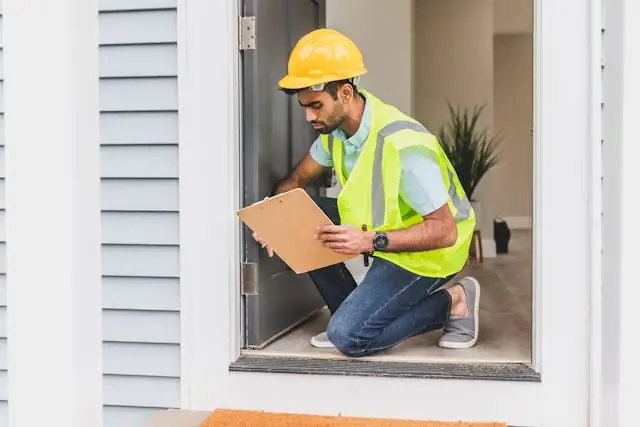
Small issues in a home rarely stay small for long. A loose shingle, slow drain, or cracked seal can grow into major damage, leading to the property losing value. Owners who act early protect both the building and their budget. This habit of planned care supports asset longevity, so a home or rental stays solid and comfortable for years. With clear preventive maintenance strategies, landlords face fewer emergency calls, and tenants enjoy fewer disruptions and healthier air. A simple routine that covers roofs, HVAC, plumbing, seals, paint, electrical work, and pest control keeps property care organized and easier to manage.
Roof Checks and Gutter Cleaning to Stop Leaks Early
Water almost always finds the weakest point in a roof first. A single loose shingle can let moisture in and start hidden rot in wood or insulation. Regular roof checks help catch those weak spots while they are still easy to fix. Walk the roof line on a clear day and focus on flashing around chimneys, vents, and skylights. Pay attention to missing shingles, lifted edges, and any soft or spongy areas underfoot. During the same visit, look at the gutters and downspouts. They should sit firmly, without sagging, and move water away from the siding and the foundation. A quick hose test shows whether water flows cleanly through each downspout. Doing this twice a year, and after strong storms, keeps small problems from turning into major repairs.
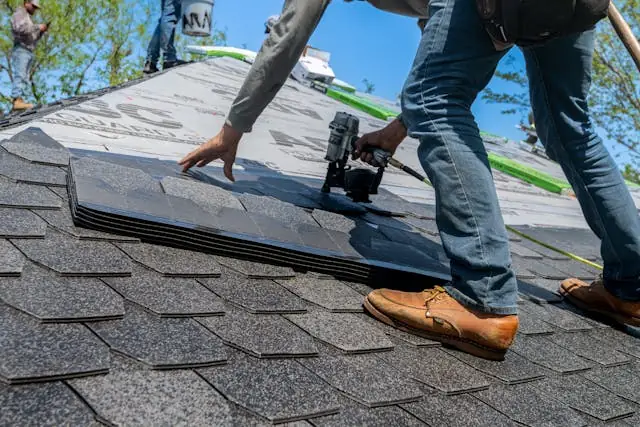
Regular roof inspections and clean gutters prevent leaks and costly damage, ensuring your home stays dry and protected.
HVAC Servicing That Cuts Breakdowns and Extends Unit Life
HVAC servicing keeps rooms comfortable and reduces sudden equipment failure. However, dust buildup forces the system to work harder every day.
Replace filters on schedule to improve airflow and reduce strain.
Clean supply vents and return grilles so air moves freely.
Rinse outdoor condenser coils gently to remove pollen and debris.
Check thermostat settings and confirm accurate temperature readings.
Listen for rattles, grinding, or short cycling during normal operation.
A neglected system often spikes energy bills and wears out faster. Book a seasonal tune-up for refrigerant checks and electrical testing. Ask a technician to inspect blower parts and drain lines. Simple maintenance supports longer unit life and fewer emergency calls during extreme heat or cold.
Paint and Facade Checkups That Block Rot and Corrosion
Exterior surfaces take a lot of wear from the sun, rain, and wind. Nevertheless, small paint damage can invite rot and other costly issues. Walk around the property and closely inspect trim, corners, eaves, and deck edges. Look for peeling, bubbles, and soft spots on wood surfaces. Pay special attention to stucco and siding for cracks and holes. Inspect railings and metal parts for rust. Cleaning mildew and washing surfaces will help them dry faster after rain. Touch up paint before bare spots can spread further. On the other hand, ignored damage often worsens over time.
Adjusting Exterior Care to Local Weather
Climate plays a big role in how often a property needs exterior care. Coastal cities such as San Francisco face salty air, fog, and steady moisture that speed up rust, rot, and paint failure. Inland places like Sacramento deal with long dry spells and strong sun that crack caulk, fade finishes, and stress roofing materials. Cities such as San Francisco, Los Angeles, and San Diego often rank among the best places to invest in California, so exterior upkeep directly supports long-term returns. Regular checks for peeling paint, rust spots, and failing sealants help buildings handle these conditions and keep them attractive to future buyers.

Paint touch-ups and façade checks protect against rot and corrosion, preserving the property’s exterior and value.
Plumbing Inspections That Catch Drips Before Disaster
Plumbing inspections reduce water waste and protect floors, drywall, and cabinets. Besides, hidden leaks can raise bills without visible signs. Check under sinks for moisture, corrosion, or loose connections. Look behind toilets for dripping valves and worn supply lines. Test shutoff valves so you can act fast during a leak. Inspect exposed pipes for condensation, stains, or pinhole sprays. Watch water pressure during showers since high pressure stresses fittings. With this in mind, check the water heater for rust, pooling, or rumbling sounds. Flush sediment as recommended to protect heating parts. Add a quick drain trap check to prevent slow clogs. Small repairs now prevent mold, warped flooring, and costly restoration work later.
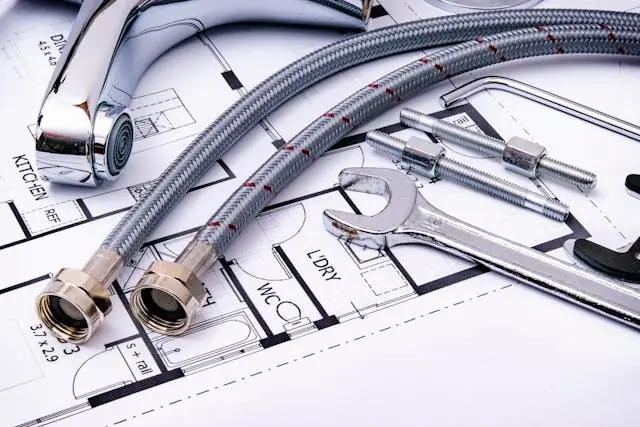
Routine plumbing checks are a key part of preventive maintenance strategies, helping to catch leaks early and prevent water damage.
Preventive Maintenance Strategies for Caulking and Sealants
Fresh sealant blocks water entry in bathrooms, kitchens, and exterior joints. Another key point involves stopping moisture before it reaches framing or subfloors. Inspect caulk lines around tubs, showers, sinks, and backsplashes. Look for gaps, cracks, peeling edges, or dark mold marks. Remove failing caulk fully so new sealant bonds well. Dry the area before you apply a clean, steady bead. Check exterior seams around windows, doors, vents, and siding joints. Similarly, review weather stripping to reduce drafts and keep humidity steady indoors. These steps fit well within preventive maintenance strategies for apartments and houses. Schedule checks twice per year and after heavy storms. Strong seals support comfort, protect walls, and reduce repair work over time.
Electrical Panel and Safety Testing for Peace of Mind
Electrical safety checks reduce hazards and prevent sudden power issues. Hence, a quick inspection can protect people and property. Open the panel door and look for rust, moisture, or burn marks. Confirm clear labeling for circuits to speed up troubleshooting. Test GFCI outlets in kitchens, baths, and outdoor areas. Check AFCI breakers where local codes recommend added protection. Look for loose outlet covers, warm wall plates, or flickering lights. Test smoke and carbon monoxide alarms each month. Replace batteries on schedule and note replacement dates in your log. Hire a licensed electrician for buzzing panels, repeated trips, or outdated wiring. Consistent testing builds confidence and reduces emergency risks in rentals and family homes.
Pest Prevention That Protects Wood, Walls, and Insulation
Pest control protects framing, insulation, wiring, and stored belongings. Then again, pests often enter through tiny gaps near pipes and siding edges. Seal openings around vents, utility lines, and foundation cracks. Install door sweeps and repair torn window screens. Keep gutters clear so water does not pool near entry points. Store food in tight containers and clean crumbs from baseboards. Trim branches away from roofs to reduce rodent access. Whereas some problems show fast, termites and carpenter ants hide for months. Schedule inspections in high-risk regions and after wet seasons. Use moisture control in crawl spaces and attics to discourage insects. Address nests and droppings quickly with safe methods. Strong prevention reduces repairs and keeps tenants comfortable year-round.
Protect Your Property for the Long Run
Consistent care keeps properties stronger for years and reduces surprise costs. Follow your seasonal checklist and log every inspection. Fix small issues before they spread into major repairs. Roof, HVAC, plumbing, seals, paint, electrical, and pests all matter. Preventive maintenance strategies protect value, improve comfort, and cut emergency calls.