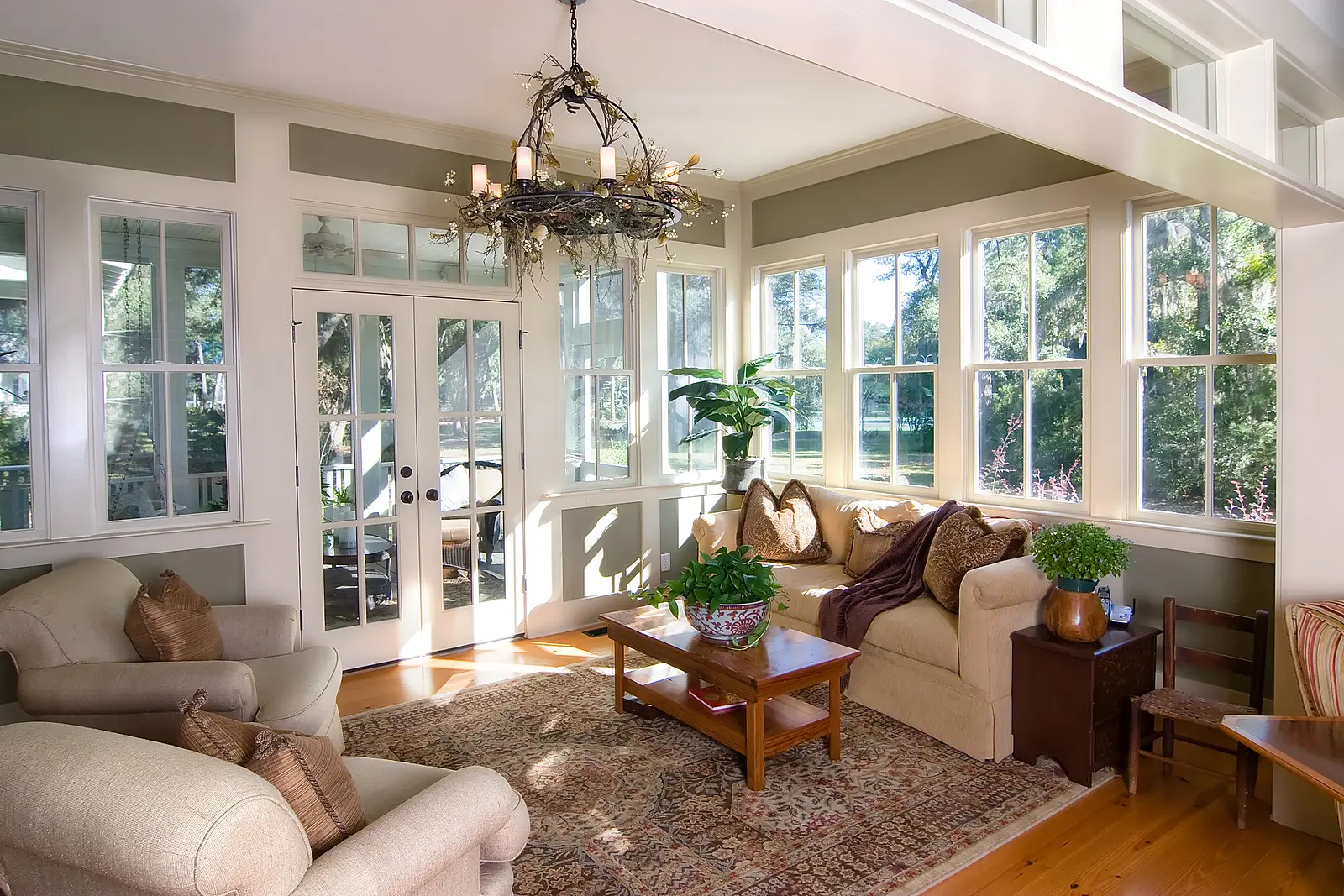
In San Francisco rentals, our profitability snapshot often shows that layout choices can matter as much as finishes when it comes to rent-readiness and long-term performance. A home can look polished and still feel difficult to live in if daily routes are awkward, privacy is limited, or storage forces clutter into living areas.
At PMI San Francisco, we focus strictly on residential management, so we see patterns across many different floor plans, from classic flats to multi-level homes. When a layout supports real routines, tenants settle in faster, complaints drop, and the property tends to age more gracefully. Below are practical ways to evaluate and improve a floor plan so it supports both tenant comfort and investor confidence.
Key Takeaways
- Strong layout flow helps renters' picture daily life quickly, which can shorten vacancy time.
- Bedroom placement improves privacy and quiet, supporting longer stays and fewer conflicts.
- Flexible rooms support work, hobbies, and household changes without major remodeling.
- Efficient kitchen, laundry, and storage zones reduce friction and limit high-use wear.
- Traffic patterns shaped by the floor plan influence repair frequency and upkeep costs.
Why Layout Matters More Than Square Footage
A good floor plan makes a home feel calm, functional, and easy to navigate. In San Francisco, renters often accept a smaller footprint when the layout uses space wisely.
From an investor perspective, layout affects leasing outcomes and operating costs. When rooms connect logically, tenants are more likely to stay organized, treat the home well, and renew. When the plan forces awkward workarounds, daily frustration builds, then you see it in higher turnover risk and faster make-ready cycles.
What “usable space” looks like
Usable space has clear paths, practical wall space for furniture, and storage that supports everyday living. It also avoids bottlenecks, especially near entries, kitchens, and shared bathrooms.
Living Areas That Feel Natural and Open
The living area sets the first impression during a tour, then it becomes the “home base” for daily life. A well-planned living space feels open without feeling undefined.
Open concepts remain popular because they allow light and conversation to move through the home. That preference is reflected in home design trends, with 54% of new homes featuring open kitchen and dining designs. In many San Francisco rentals, openness works best when the layout still creates distinct zones for lounging, dining, and moving through the space.
Flow beats furniture tricks
If the main walkway cuts through the center of the living room, renters struggle to place furniture, and foot traffic concentrates in one strip. A better plan creates a natural route from entry to kitchen without forcing people to walk through the seating area.
Bedroom Placement That Protects Privacy
Bedroom layout shapes household harmony. Renters notice privacy quickly, especially in shared households, families with varied schedules, or anyone who works early or late hours.
A smart plan separates private areas from the busiest rooms. When bedrooms sit right off the living room or kitchen, noise and light travel farther than tenants expect, which can trigger complaints and shorter stays.
Separation that supports stability
Split-bedroom designs, where sleeping areas sit on different sides of the home, can reduce friction for roommates and families. Even when space is limited, using hallways and door placement strategically can create a sense of privacy.
Bathrooms and closets are part of the deal
A bedroom feels more “complete” when closets are usable and the bathroom access makes sense. When tenants can store belongings easily, they keep the space tidier, which supports better condition over time.
Flexible Rooms That Match Modern Routines
Flexibility has become a key expectation because households change quickly. A spare room, nook, or loft can become an office, workout area, hobby space, or guest room across the same lease.
That demand is reinforced by workforce data, including 36.07 million remote part-time workers in the United States. Even part-time remote work changes how renters evaluate a floor plan, especially in a city where carving out quiet space can be difficult.
Make flex space feel intentional
Flex rooms work best when they have a door or defined wall space, plus lighting and outlets that support daily use. A small alcove can still be valuable if it fits a desk and doesn’t block a main walkway.
If you’re considering updates that improve how a room functions, start with practical tenant improvement ideas that add usability without overbuilding for a short-lived trend.
Kitchens and Laundry Areas That Reduce Friction
Kitchens and laundry zones shape everyday satisfaction, and they also drive wear because they’re used constantly. Layout efficiency matters more than decorative finishes.
A practical kitchen allows smooth movement between the sink, stove, and refrigerator, with enough counter “landing space” near each. When renters can picture cooking without bumping into corners, the home feels easier immediately.
Protecting high-use spaces
Kitchens and laundry rooms take the most stress from moisture, heat, and frequent cleaning. Owners who lean into consistent upkeep often rely on a sustainable upkeep approach to reduce surprise repairs and preserve daily function.
Laundry placement that feels considered
In-unit laundry is a strong expectation for many renters. It works best when it’s accessible without becoming the loud centerpiece of the home. When laundry sits near bedrooms, sound control and ventilation become even more important.
Storage and Circulation That Make Homes Feel Bigger
Storage can determine whether a home feels comfortable or constantly cluttered. San Francisco renters may accept compact rooms, but they still need places for real life, like coats, cleaning supplies, luggage, and pantry items.
A strong layout builds storage into the natural flow of the home. Closets in the right places reduce clutter in living areas, and practical entry storage helps protect flooring by keeping shoes and bags off main walkways.
Accessibility in multi-level homes
Multi-level layouts can perform well when the “daily loop” makes sense. If bedrooms are upstairs, having an upstairs bathroom reduces constant stair traffic. If the home has garage access or dedicated storage, direct routes matter, especially for groceries and strollers.
For owners concerned about long-term condition, take steps to protect rental value by watching how circulation patterns create wear hotspots in hallways, stairs, and entries.
How Floor Plans Influence Long-Term Wear
Layouts shape how a property ages because they determine where people walk, where moisture accumulates, and where furniture naturally lands. Narrow corridors concentrate foot traffic, and tight turns near entries create scuffs and dings. Poorly placed laundry areas can increase humidity exposure in high-traffic zones.
A quick wear-focused review can reveal a lot:
- Trace the daily route from entry to kitchen to living area to bathroom.
- Identify bottlenecks where people must squeeze past furniture or doors.
- Note moisture zones, like laundry and bathrooms, plus nearby flooring.
- Check whether ventilation and natural light support drying and airflow.
- Match finishes to the real traffic pattern, especially near entries and stairs.
Routine inspections help catch these issues early. Our inspection benefits list is a useful reference when you want to shift from reactive repairs to planned upkeep that keeps the home performing consistently.
Why this matters for investors
When wear is distributed evenly, repairs become more predictable. When wear is concentrated, costs spike faster and turnover work becomes heavier. A layout that supports smooth circulation is an operational advantage, especially across multiple lease cycles.
FAQs about Floor Plan Design in San Francisco, CA
What layout features help a rental show better during tours?
Renters respond to clear sightlines, practical wall space, and defined zones for living and dining. When movement feels intuitive and furniture placement is easy to imagine, the home tends to feel calmer, brighter, and more livable during showings.
How does a floor plan affect maintenance requests over time?
Traffic bottlenecks create faster wear on floors, doors, and paint, which increases repair frequency. Efficient circulation spreads use more evenly, and well-placed moisture zones reduce issues tied to humidity, ventilation, and repeated cleaning demands.
Are open layouts always the best choice for San Francisco rentals?
Open layouts can make a home feel larger, but they work best when zones remain defined. Many renters still want wall space for furniture and storage, plus enough separation to limit noise when multiple people share the home.
What bedroom arrangement works well for roommate households?
Roommates often prefer separation between sleeping areas and the main living zone. Split-bedroom placement, thoughtful door positioning, and reasonable bathroom access can reduce noise conflicts and schedule friction, supporting a smoother tenancy and higher renewal odds.
How can owners improve a layout without major remodeling?
Smaller changes can add function quickly, like improving lighting, adjusting door swings, adding closet systems, or creating a dedicated work nook. These updates improve usability without moving plumbing lines, rebuilding walls, or triggering heavy renovation downtime.
Layout Decisions That Pay Off All Year
A great floor plan does more than look good online. It supports comfort, reduces daily friction, and helps your property hold up under real use, which protects performance in San Francisco’s residential market.
At PMI San Francisco, we help you keep the home operating smoothly through proactive care and practical planning. Strengthen your upkeep plan today with our residential maintenance support so your rental stays tenant-ready, resilient, and easier to manage across every lease cycle.