Rental renovations are often judged by their immediate visual impact, yet the real test begins after years of resident occupancy. Materials that appear premium during a showing can gradually become sources of recurring repair bills, replacement costs, and longer turnover periods.
Current shifts highlighted in remote work rental trends continue to reshape what renters value in a home. As preferences evolve, owners are finding that practicality, durability, and ease of maintenance frequently deliver stronger results than luxury-focused upgrades.
Across San Francisco's competitive rental market, selecting improvements that hold up under everyday use can help support consistent cash flow, simplify property operations, and extend the lifespan of major renovations.
Key Takeaways
- Durable upgrades often provide stronger long-term returns than luxury finishes.
- Repeated tenant turnover accelerates wear on many premium materials.
- Simple fixtures and neutral designs typically require less maintenance.
- Practical renovations can improve profitability over time.
- Flexible spaces appeal to a broader range of renters.
The Difference Between Visual Appeal and Long-Term Value
Renovation decisions are often influenced by what looks impressive during a property showing. While appearance matters, rental homes face conditions that differ from owner-occupied residences.
Tenants move furniture, use appliances daily, and place consistent wear on surfaces throughout the property. Over time, some premium upgrades become expensive to maintain because they were selected primarily for appearance rather than durability.
The U.S. Census Bureau reported a national rental vacancy rate of 7.1% in Q3 2025. With competition for quality renters remaining steady, owners can benefit from investing in improvements that continue performing well years after installation.
Hardwood Flooring Can Create Ongoing Maintenance Costs
Natural hardwood floors remain popular because they add warmth and character to a home. Yet rental properties often expose their weaknesses.
Daily foot traffic, pet activity, furniture movement, and accidental impacts can gradually damage wood surfaces. In San Francisco, moisture variations and changing indoor conditions may also contribute to expansion and contraction over time.
Why Many Investors Choose Alternative Materials
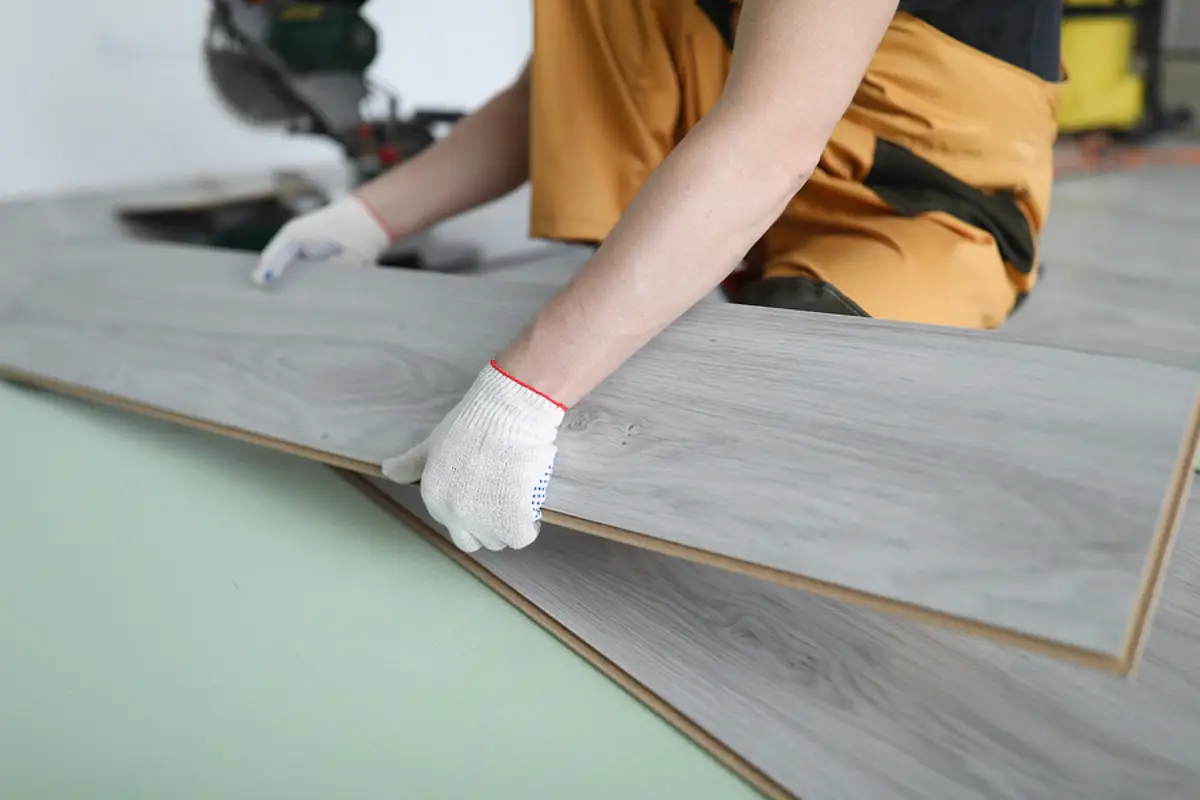
Luxury vinyl plank and other resilient flooring products have become attractive options because they offer:
- Better scratch resistance
- Easier cleaning during turnovers
- Improved moisture protection
- Lower replacement expenses
Owners researching property maintenance strategies often discover that flooring choices significantly affect long-term operating costs.
Premium Carpet Rarely Delivers Long-Term Efficiency
High-quality carpet can make a property feel comfortable when newly installed. However, rental environments place heavy demands on carpeted surfaces.
Stains, odors, wear patterns, and compressed fibers become increasingly visible over time. Even professional cleaning cannot always restore carpeting to its original condition.
Replacement Cycles Add Up
Many owners underestimate how frequently carpet requires replacement. Living rooms, hallways, and entry areas often show deterioration first, especially in high-traffic properties.
Before investing heavily in flooring, many landlords review a rental income evaluation to determine whether a renovation supports long-term financial goals.
Custom Cabinets May Become Difficult to Maintain
Custom cabinetry creates a distinctive appearance, but maintaining that appearance over several tenant cycles can become challenging.
Painted finishes chip. Specialty colors fade. Custom hardware occasionally becomes unavailable. Small repairs that seem simple initially can require extensive touch-up work later.
Advantages of Simpler Cabinet Designs
Neutral cabinet styles often provide better long-term value because they:
Simplify Repairs
Standard finishes are easier to match when damage occurs.
Appeal to More Renters
Timeless designs remain attractive despite changing trends.
Reduce Renovation Frequency
Owners can update surrounding elements without replacing entire cabinet systems.
Many successful renovation projects also incorporate lessons from tenant improvement planning, which emphasizes balancing aesthetics with practicality.
Decorative Fixtures Can Increase Repair Complexity
Designer lighting and specialty hardware often receive considerable attention during renovations. While attractive, these upgrades sometimes create unexpected maintenance challenges.
According to the U.S. Energy Information Administration, lighting accounts for approximately 3.4% of electricity use in American homes. Because lighting systems are used consistently, components naturally experience wear over time.
Common Issues Owners Encounter
Specialty Parts
Some fixtures require proprietary bulbs or replacement components.
Product Discontinuation
Matching finishes can become difficult when manufacturers retire product lines.
Increased Labor
Complex designs often require additional service time during repairs.
Many investors prefer standardized fixtures because replacements remain readily available and maintenance becomes easier to manage.
Trend-Focused Kitchens Can Lose Appeal Quickly
Kitchen renovations often deliver noticeable improvements to rental properties. However, highly fashionable designs can age faster than expected.
Bold cabinet colors, unique backsplashes, and specialty finishes may reflect current trends today but feel outdated several years later.
Renovations With Staying Power
Owners seeking long-term value frequently prioritize:
- Neutral color schemes
- Durable countertops
- Functional layouts
- Easy-to-clean surfaces
Articles discussing smart rental features highlight how technology upgrades can often provide tenant appeal without relying on high-maintenance design elements.
Built-In Features Can Limit Flexibility
Custom built-ins may appear beneficial when designed for a specific purpose. The challenge arises when future tenants have different needs.
Permanent shelving, entertainment centers, or workspace installations can make rooms feel less adaptable.
Why Flexibility Matters
Rental properties generally perform better when residents can personalize how they use the space.
Easier Furniture Placement
Open layouts accommodate different lifestyles.
Broader Market Appeal
Flexible rooms attract a wider range of applicants.
Lower Repair Costs
Standard spaces typically require less specialized maintenance.
Owners evaluating long-term performance often review their owner support resources to identify opportunities for improving property efficiency and tenant satisfaction.
Luxury Bathrooms Often Require Constant Upkeep
Bathrooms are among the most heavily used areas in any rental home. Premium finishes can look impressive but may require more maintenance than expected.
Frameless glass shower enclosures, specialty tile, and custom fixtures often demand regular cleaning and upkeep to maintain their appearance.
Better Options for Rental Longevity
Materials selected for durability frequently outperform luxury alternatives over time. Moisture-resistant surfaces, practical fixtures, and standardized components help reduce repair complexity while maintaining an attractive appearance.
Owners who prioritize long-term performance often pair renovation planning with reliable property maintenance services to help protect their investment.
FAQs about Rental Property Renovations in San Francisco, CA
What signs indicate that a renovation choice may become expensive to maintain later?
Frequent repairs, specialty replacement parts, difficult cleaning requirements, and materials that show wear quickly are often indicators that an upgrade could generate higher long-term operating costs.
Why do some rental upgrades perform well during showings but poorly over time?
Many visual upgrades are selected for appearance rather than durability. After years of tenant occupancy, daily use can expose weaknesses that were not obvious when the renovation was first completed.
How can owners balance tenant appeal without overspending on upgrades?
Focusing on practical improvements such as durable flooring, updated lighting, efficient layouts, and easy-to-maintain finishes often helps attract renters while keeping future expenses under control.
What areas of a rental property usually experience the most wear between tenants?
Flooring, kitchens, bathrooms, entryways, and living spaces typically receive the highest amount of daily use. These areas often benefit the most from durable materials and simplified design choices.
Why is flexibility important when renovating a rental property?
Flexible spaces can accommodate different lifestyles, furniture arrangements, and tenant preferences. This broader appeal may help reduce vacancy periods and limit the need for future remodeling projects.
Lasting Results Come From Smarter Renovation Choices
Strong rental performance rarely depends on having the most expensive finishes in the neighborhood. Properties that remain easy to maintain, appealing to renters, and cost-effective to operate often deliver better results year after year.
At PMI San Francisco, we help owners evaluate property improvements through the lens of long-term value, operational efficiency, and tenant satisfaction. When renovation decisions support durability and flexibility, it becomes easier to control expenses and preserve profitability through changing market conditions.
If you'd like a clearer picture of how your property's upgrades may affect future performance, maximize your property's potential with PMI San Francisco and take a more strategic approach to protecting your investment.